How To Save Money On Groceries In 2026

Let’s talk about groceries for a minute because if you’ve stepped foot in a store lately, you already know these prices are doing the absolute most in 2026. It feels like every time you turn around, something that used to cost a few dollars has gone up again. A simple grocery run can easily turn into a bill that makes you pause for a second in the checkout line wondering how you spent that much. And for many people, groceries have become one of the biggest areas where money seems to disappear fast without even realizing it.
Why Grocery Prices Keep Rising in 2026
It’s no secret that grocery bills have been climbing. Factors like supply chain issues, unpredictable weather, and even wars and rumors of wars play a role. I hate to say it the reality is shrinkflation is a thing. We are paying more for a lot less. With these changes, being proactive about where and how you shop is really important to keep your spending down.
This is the season to pay attention to your habits, plan ahead, and make wise decisions with your money. A little strategy can go a long way when it comes to keeping grocery costs under control. Even small adjustments in the way you shop, meal plan, and stock your kitchen can help create more breathing room in your budget while still allowing you to enjoy the foods you actually love.
Price Comparing Made Simple
Comparing grocery prices is the single thing I suggest anyone do before committing to where they’ll shop most often. Just jot down 10-20 items you buy every week, like peanut butter, eggs, sausage, produce, and pantry staples. Visit a few stores in your area (in person, or online if they list prices), and make note of the price differences. Some stores will surprise you. It’s not always the big chains that offer the best deals, and sometimes discount stores or local ethnic markets can really beat the larger stores on certain items.
Don’t assume sale prices require bulk buys, either. Most stores let you purchase a single sale-priced item, even if the ad says “3 for $6” or similar. Always check with the cashier if you aren’t sure. It’s worth noting that sales rotate throughout the month, so if you can plan ahead and buy staple items when they’re at their lowest, you’ll see those savings stack up fast.

Understanding Sales, Loyalty Programs, and Digital Coupons
Store loyalty programs in 2026 often include digital coupons, app-only specials, and member prices. Sign up for free loyalty cards at your favorite stores. I always check for digital coupons before I head out, as it only takes a minute and the savings add up by just tapping a few offers in the store app.
Flash sales and limited-time offers happen more now, especially through store apps. Keep notifications on for reminders about deals on your favorite items. If you see a sale on something you always use (like your preferred breakfast cereal), stock up as long as it won’t go stale before you eat it. These digital perks can extend to partner stores, saving you even more when you branch out from your usual grocery haul.
How to Avoid Paying for Convenience
Packaged salad mixes, precut fruit, or pre marinated meats look tempting, but you’re paying extra for the convenience. With a bit of practice, you can prep most things at home in less than ten minutes. Whole fruits and veggies are almost always cheaper. They often last longer, too.
I try to do my quick wash and chop as soon as I get home, storing in clear containers so snacks are both healthy and easy to grab. The more you get used to prepping ahead, the less likely you’ll be to grab overspending impulse purchases when you’re hungry or pressed for time. Lastly Ya’ll might not like this but instead of paying for delivery you may need to do curbside pickup or make the time to continue shopping on your own.
Cash vs. Card: Does it Really Matter?
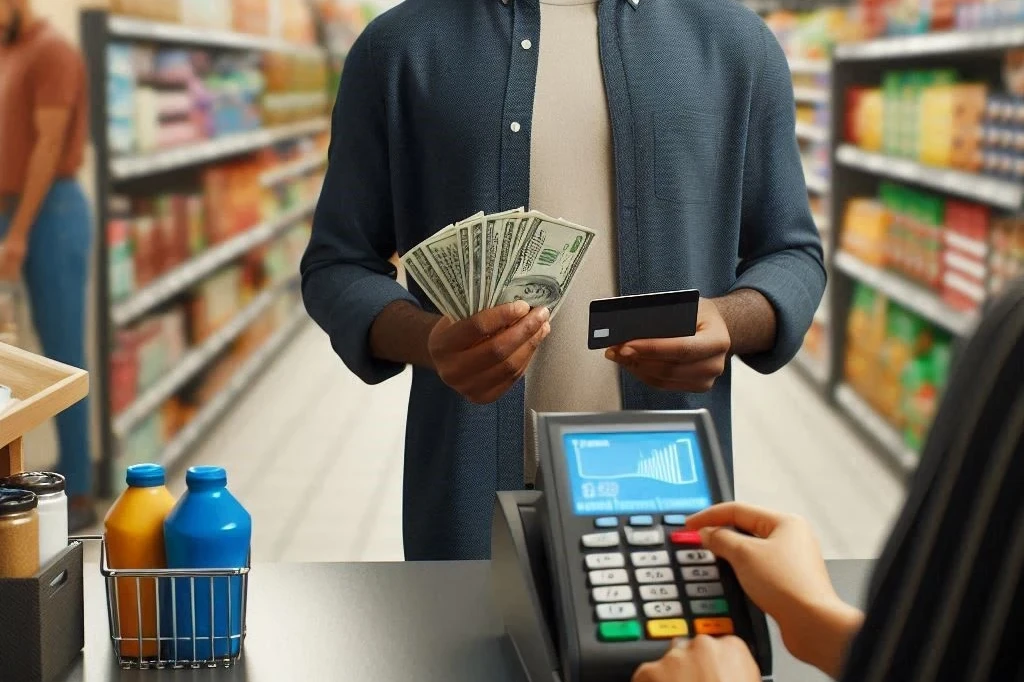
Paying with cash instead of using a card is something I think everyone should try at least a few times, especially for groceries. There’s something about physically seeing the money leave your hands that makes you more mindful of what you’re putting in the cart. It naturally causes you to pause before tossing in extra items you really do not need.
When you pull your grocery budget out in cash ahead of time, it also helps create a clear limit because once the money is gone, that’s it. Cards and mobile payments are convenient, but using cash can help you stay more aware of your spending in real time. It’s especially helpful if you’re working on sticking to a weekly or monthly grocery budget because you can quickly see exactly how much money you have left.
26 of My Favorite Money Saving Grocery Habits for 2026
- Bring a shopping list every single time you go to the store.
- Don’t grocery shop hungry because that’s when everything starts looking good and extra stuff ends up in the cart.
- Choose store brands for your staples because many of them taste just as good as the name brands.
- Buy in bulk when it actually makes sense for things you use often like rice, pasta, and beans.
- Skip constantly buying bottled water and soda when possible and use filtered water at home.
- Shop for fruits and vegetables that are in season because they’re usually fresher and cost less.
- Use cashback and rebate apps to help put some money back in your pocket while you shop.
- Pay attention to flash sales and markdowns for foods you already know you’ll use quickly.
- Join grocery cashback programs like Rakuten and Ibotta to save a little extra throughout the month.
- Use the calculator on your phone while you shop so you can stay on track with your budget.
- Always check the clearance section because you can find some really good deals there.
- Grow your own herbs or simple vegetables at home if you can because even a small setup can save money over time.
- Freeze leftovers and extra produce before they spoil so less food goes to waste.
- Swap expensive meats for meals using beans, lentils, or eggs a few times a week.
- Cook bigger portions and freeze extra meals for quick lunches and busy nights.
- Buy larger snack packages and portion them out yourself at home to save money.
- Stay flexible with meals and work around what’s on sale that week.
- Don’t overlook frozen fruits and vegetables because they last longer and are often cheaper.
- Check the unit price on the shelf tag to find the better value instead of just looking at the regular price.
- Use what’s already sitting in your pantry before buying more groceries.
- Prep breakfast or lunch ahead of time during the week to save both time and money.
- Avoid recipes that require a long list of ingredients you’ll only use one time.
- Challenge yourself to eat what you already have at home before making another grocery run.
- Borrow specialty kitchen gadgets from friends or family instead of buying things you may barely use.
- Look into local food co ops because they sometimes offer great deals on specialty foods and fresh items.
- Visit farmers markets closer to closing time because vendors are often more willing to lower prices at the end of the day.
Should You Buy Organic or Name Brand?
Everybody’s grocery priorities are different, and that’s okay. For some people, buying organic is really important, especially when it comes to the foods they eat most often. The key is finding balance and making choices that work well for both your lifestyle and your budget.
I personally pay attention to sales, coupons, and manager markdowns when shopping for organic items because some of those prices can get high really fast. One thing I’ve noticed is that many store brand organic products taste just as good as the more expensive name brands, so don’t feel pressured to grab the pricier option every time.
If you’re trying to decide where organic matters most, it can help to focus on foods you eat raw more often, like leafy greens, strawberries, apples, or grapes. Those are usually the areas where spending a little extra may feel more worthwhile. For foods with thick peels or coverings like bananas, oranges, or avocados, I usually save my money there instead.
Tech and Apps That Help Track Grocery Spending
What are some of your favorite stores to shop in? I’m in Texas so one of my favorites is H.E.B. IYKYK! I also visit Market Street and Kroger for a few specific items. All of these have a mobile app and/or loyalty programs that will help you save a few dollars. Most will track both in-store and online purchases, send price alerts for your favorite items, and even compare weekly flyers for you.
Handy apps can scan receipts and automatically sort your spending by category, buzzing your phone if you start approaching your monthly grocery limit. Some newer apps even suggest recipes based on purchases and current fridge contents. These features not only keep your spending on track but also save you time meal planning and shopping.
Making the Most Out of Leftovers
Getting comfortable with leftovers is a solid money saver. If the food is good I don’t mind eating it for a few days. I’m working on some spaghetti pie I made as we speak. A roast chicken can turn into soup or tacos the next day. Leftover rice is perfect for fried rice or even rice pudding. Creative use of leftovers not only saves money but stops food waste in its tracks.
Bottom Line: Grocery Savings for 2026
Groceries can easily take up a large part of the budget, especially with prices continuing to rise in 2026. The good news is that a little planning, intentional shopping, and paying attention to deals can help you save more than you realize. Even adding a few of these simple habits into your routine can help keep your grocery spending under control while still keeping your kitchen stocked with foods you actually enjoy.
The biggest thing is finding what works best for your lifestyle and staying consistent with it. If one strategy does not fit your routine, try another one until you find a system that feels manageable for you. Small changes, smarter habits, and using tools that help you stay organized can make a real difference in your food budget over time.
Worth checking out: Transforming Finances Digital Products and Services for more tools and guides on making your budget work for you.
Disclaimer:
My tips come from my own experience, research, and real-life trial and error. This article is meant for informational purposes and is not professional financial advice. If you’re dealing with specific money questions or a tougher financial situation, a certified financial advisor is the best person to help you sort things out.