Why Is My Credit Score Going Down And How To Stop It

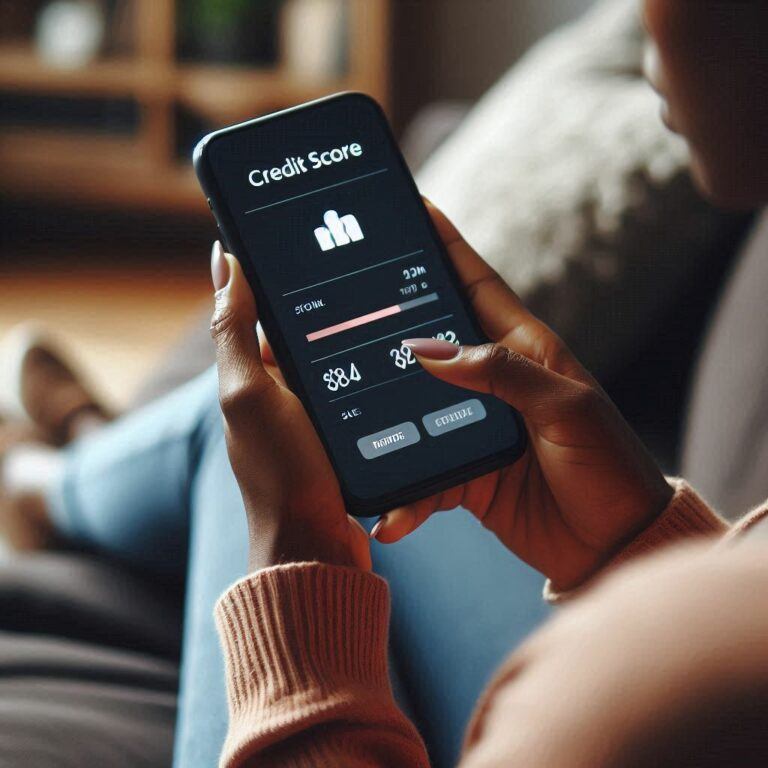
You’re minding your business, finally feeling like things are settling down, and then the alert comes through. Your credit score dropped again .If you’re like me, the first thing that pops into my head is what is the issue? Because from where you’re standing, nothing major changed. I’ve been through it, too.
At one point, I thought credit worked like a report card. Just do the right thing and you’ll be fine. Over time, I learned that several factors move at the same time, and sometimes even small changes can cause a temporary dip. No need to panic. The good news is there is always a reason.
Why Is My Credit Score Going Down? (What’s Really Happening?)
Credit scores respond to data. If the number moved, something in the profile shifted. It may not be obvious at first, especially if payments were made and nothing major changed, but scoring models are always recalculating based on what gets reported. Here are a few things that may have caused the drop:
- You Missed a Payment (Even by a Day)
This one is straightforward. If a payment is reported late, your score can drop. Payment history carries the most weight in most credit scoring models, roughly thirty five percent of a FICO score. So even one payment that hits thirty days late gets attention.
From an underwriting standpoint, a late payment raises a question. It does not automatically mean denial, especially if everything else looks strong, but it becomes something that may need explanation. The system does not know whether you forgot or whether money was tight. It simply records that it was late.
Putting systems in place reduces that risk. Try autopay for at least the minimum, and then set a consistent reminder so you still see the bill before it drafts. That way nothing slips through the cracks, and it keeps you from forgetting to make a payment, which also avoids a score drop.
- Your Credit Utilization Is High
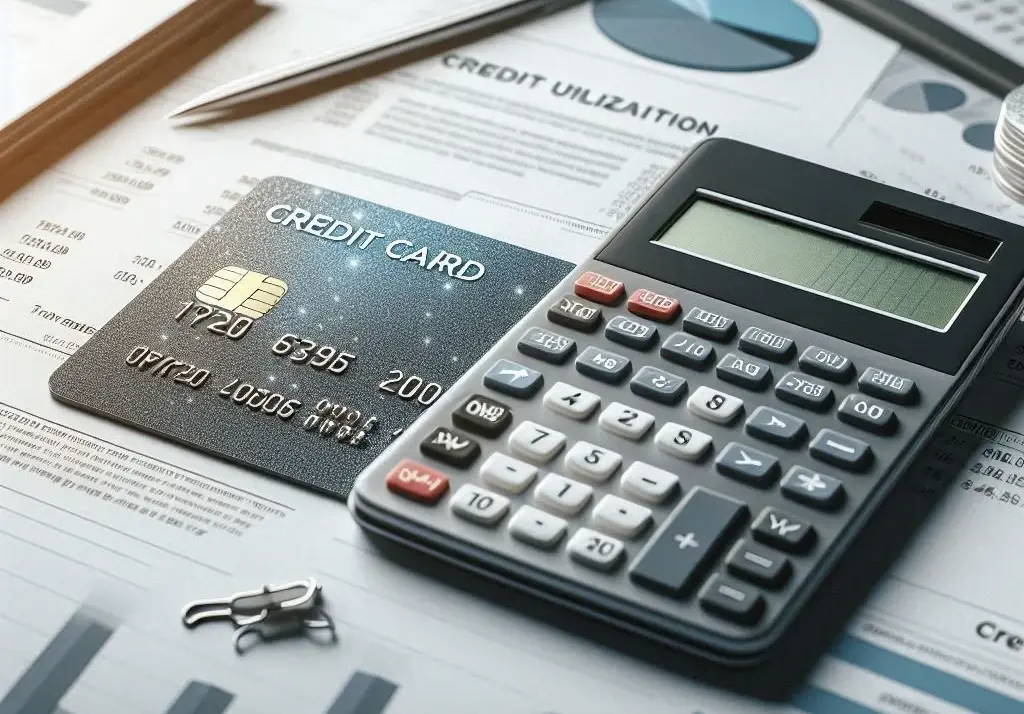
When you use more than 30% of your available credit (on any card or across all cards), your score might dip. In simple terms, utilization is just how much of your available credit you’re using.
If a card has a one thousand dollar limit and the balance is four hundred dollars, that means forty percent of that limit is being used. Most scoring models prefer balances under thirty percent of your limit, and the strongest profiles usually stay under ten percent.
Even if every payment is on time, a higher balance can cause your score to dip. That does not mean your credit is bad. It just means the math changed.
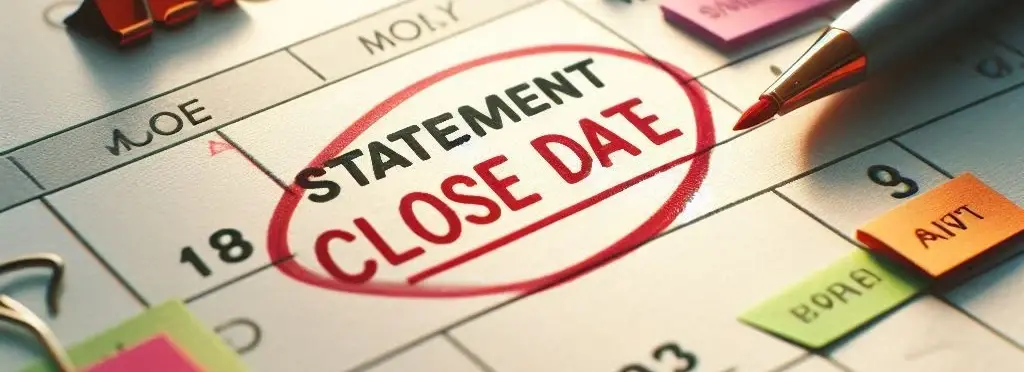
Here’s something most people don’t realize: balances are usually reported on the statement closing date, not the due date. If you wait until the due date to pay, the higher balance may already have been reported. Paying a portion down before the statement closes can keep the reported balance lower and prevent that temporary drop.
- You Closed a Credit Card
It feels responsible to close a card once it’s paid off. In some situations, that makes sense. But closing a card can affect your score in two ways.
First, it reduces your total available credit. If your limits shrink but your balances stay the same, your overall utilization goes up. Second, it can affect the average age of your accounts over time, especially if it was one of your older cards.
Before closing a card, it helps to look at the bigger picture. If there is no annual fee and spending is controlled, keeping it open with a small recurring charge can preserve the history without adding stress.

- You Applied for Too Much Credit Too Quickly
Every time you apply for credit, a hard inquiry appears on your report. One inquiry usually causes only a small and temporary dip. Several inquiries close together can signal higher risk to lenders.
Spacing applications out keeps your profile steady. Applying for multiple cards at once because of a promotion or points offer might seem harmless, but it can create unnecessary fluctuation in your score.
- There’s an Error on Your Report
Sometimes the drop has nothing to do with your behavior. Accounts get reported incorrectly. Payments get marked late by mistake. Files get mixed. It happens more often than people realize.
“Be diligent to know the state of your flocks…” Proverbs 27:23. Today, that includes knowing what is sitting on your credit report.I check my credit reports at least twice a year using AnnualCreditReport.com and challenge anything that looks off. Disputing errors really helps if you’re trying to fix your credit score.
How to Stop Your Credit Score from Dropping (Steps That Work)
A dip in your score does not mean everything is falling apart. It means something shifted. Start by identifying exactly what changed. Pull reports from Equifax, Experian, and TransUnion so you can see the full picture. Monitoring apps are helpful for tracking movement, but the detailed report tells you what actually triggered it.
If balances are high, focus on reducing the card with the highest utilization percentage first. That often produces quicker improvement than spreading small payments across multiple cards.
If a payment was missed, bring the account current as soon as possible and then strengthen your system so it does not happen again. If an error is found, dispute it promptly.
Improvement rarely shows up as one dramatic jump. Reporting cycles matter. Scoring updates take time. Progress usually happens over a few months of consistent action.
What Else Impacts Credit Scores?
Some days it feels like your score is dropping for no clear reason. If you’ve checked all the basics, here’s what else could be going on:
- Major Life Events
Divorce, job loss, or illness can lead to a missed payment or higher reliance on credit. If you’re in this spot, it’s ok to reach out to lenders and explain. Hardship programs or payment plans can limit damage. - Identity Theft or Fraud
If a fraudulent account is opened in your name or someone else racks up charges, your score will fall. I’ve set up fraud alerts and credit freezes in the past to get ahead of unauthorized activity. - Changes in Credit Scoring Models
Both FICO and VantageScore update their formulas from time to time. Sometimes you’ll see a small drop or rise that’s unrelated to your activity, just the way the math changes behind the scenes.
Encouragement:
I have to remind myself. My identity is not defined by my credit score. I steward my finances with care, but God is bigger than my score. Doors open for all kinds of reasons, and my worth isn’t up for debate based on three numbers.
“The steps of a good person are ordered by the Lord…” (Psalm 37:23). That counts for the step where the score drops, too. Every dip is a lesson and a chance to move forward with grace and wisdom.
Practical Next Steps: Taking Control Again
Ignoring a dropping credit score only makes things harder. From my personal ups and downs, what’s worked best is staying aware, taking action, and celebrating even small progress.
Drop a 🙌🏽 in the comments if you’re ready to fix your credit score with a little more grace, and a lot more grit, this season.
Check out Transforming Finances Digital Products and Services if you want more resources and tools for taking your financial adventure further. Here you’ll stumble upon tools that will help with rebuilding credit, budgeting, and more. If you want strategies beyond the basics, this is a great place to track down all in one solutions so you can put your best financial foot forward.
Extra tip: If you need a free way to keep an eye on your score, remember that some banks and credit card companies now offer credit monitoring as a free service. Credit Karma is also a great way to keep up with any changes. Signing up for these alerts gives you a heads up if anything funky shows up, making it easy to catch mistakes or signs of fraud faster than waiting for your next annual report.
Song of the Week 🎶
🎧 “Gracefully Broken” by Tasha Cobbs Leonard
This one gets me every time. Even if part of your story right now is a dropping credit score, there is still grace covering you. Your value isn’t tied to your FICO or VantageScore, and a rough patch in your credit report doesn’t erase hope for your future. I put this song on to remind myself: rebuilding is possible, and broken doesn’t mean finished.
Disclaimer:
The information I share here comes from my experience and research in personal finance. It is meant to be informational, not personal financial advice. Please talk with a qualified financial advisor for guidance tailored to your situation.