
How To Budget When You Live Paycheck To Paycheck
If you are searching how to budget when you live paycheck to paycheck, you are probably not doing it casually. Something triggered that search. Maybe payday came and went faster than expected. Maybe you checked your account and immediately started doing mental math. That kind of pressure builds quietly.
Living paycheck to paycheck is often less about how much you earn and more about how your money is structured. When income is not assigned before the month begins, expenses expand to fill the space available.
Scripture teaches that wisdom and stewardship go together. Budgeting is not just a financial skill. It is a form of leadership over what God has entrusted to you. When there is no plan for your income, it quietly gets directed by habits, pressure, and urgency. A budget gives your money instruction before the month begins.
As you read this, know that I do offer financial toolkits that cover each subject in depth. I will introduce them you in this post. It’s to expand on everything we’re covering here. If you want strategy, guided structure, and Christ centered financial strategy beyond this overview, you’ll see those options linked throughout this post.
Step 1: Review the last 30 days before changing anything
Before you cancel subscriptions or promise yourself that next month will be different, look at what’s already happened. The numbers tell the truth, and most of the time the issue is patterns, not one dramatic mistake.
Pull your bank and credit card statements from the last 30 days and categorize every transaction using real data.
Start with categories like:
- Housing and utilities
- Transportation and gas
- Groceries and dining
- Subscriptions and recurring charges
- Personal spending
- Debt payments
- Savings
Jesus teaches about counting the cost before building. In the same way, understanding your fixed costs allows you to plan intentionally instead of reacting emotionally. Once you see where your money has actually been going, you can make decisions calmly instead of reactively.
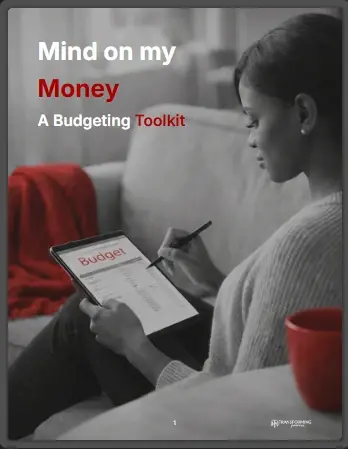
If you want a guided system for this process, this is exactly what I walk you through inside Mind on My Money, my Christian budgeting toolkit built specifically for professionals navigating real responsibilities. It includes structured worksheets and step by step direction so you are not guessing where to begin.
Step 2: Separate fixed expenses from variable expenses
A common frustration sounds like this: “I make decent money, so why does it still feel tight?” The answer is usually found in your fixed expenses.
Fixed expenses stay relatively the same each month. Variable expenses fluctuate based on choices and circumstances. When fixed expenses take up most of your take home pay, your margin shrinks.
Fixed expenses typically include:
- Rent or mortgage
- Car payment
- Insurance
- Phone bill
- Minimum debt payments
Variable expenses usually include:
- Groceries
- Eating out
- Gas
- Personal care
- Entertainment
If your fixed expenses consume most of your income, your budget will feel tight no matter how disciplined you are. This is not a personal flaw. It is math. Once you see this clearly, you can begin adjusting variable categories and planning long term changes to lower fixed costs where possible.
This is where structured budgeting makes a difference. Inside Mind on My Money, I guide you through building a budget that fits your actual income and expense breakdown so you can stop guessing and start planning intentionally.
Step 3: Build a starter emergency fund
It is hard to stop living paycheck to paycheck if every unexpected expense sends you backward. A flat tire or medical bill should not undo months of effort.
One of the most searched questions online is how much should I save in an emergency fund. If you are in a paycheck to paycheck cycle, a practical starting point is 1000 dollars.
This starter emergency fund is meant to cover:
- Car repairs
- Medical co-pays
- Travel for family emergencies
- School expenses
- Small household repairs
Financial research consistently shows that even a modest emergency cushion reduces reliance on high interest credit when unexpected expenses arise. This is how you begin breaking the cycle.
If debt is part of what is keeping you in this pattern, your emergency fund and debt strategy need to work together. Inside The Debt Defeated Toolkit, I walk you through creating a realistic debt payoff plan that protects your cash flow while helping you reduce balances.

Step 4: Create a paycheck to paycheck budget that works in real life
A paycheck to paycheck budget must be realistic. If the plan only works in a perfect month, it will fall apart quickly.
Start by assigning your income in order of priority.
First cover:
- Housing and essential bills
- Transportation
- Groceries
- Minimum debt payments
- Starter emergency fund contribution
Then allocate remaining income to variable spending categories and extra debt payments. Give every dollar a purpose before the month begins.
If your income fluctuates, build your budget using your lowest expected take home pay. When additional income comes in, assign it intentionally rather than absorbing it into lifestyle spending.
This is how you stop wondering where your money went.
Inside The Mind on My Money Toolkit, you will find step by step guidance and structured templates that walk you through building this type of working budget without confusion.
Step 5: Address credit strategically
Many people trying to manage money better also notice their credit score fluctuating. A common question is why does my credit score go down even when I pay on time.
One major factor is credit utilization. When balances exceed roughly 30 percent of your available credit limit, your score can drop. If you are relying on credit cards to cover regular living expenses, your credit profile reflects that cash flow strain.
Credit scores are influenced by:
- Payment history
- Credit utilization
- Length of credit history
- New credit inquiries
- Credit mix
If rebuilding or strengthening your credit is part of your financial season, I break this down in detail inside Credit Ain’t Gonna Fix Itself, including how to lower utilization, time payments strategically, and improve your score over time.

Where faith fits into financial structure
Budgeting is not separate from your faith. Scripture consistently speaks about stewardship and wisdom. Managing money intentionally is one way you honor what has been entrusted to you.
If guilt has been part of your money story, remember that growth happens through wisdom and discipline, not shame. Your budget is not a punishment. It is a plan for leadership within your household.
Here is a prayer you can pray before you work through your numbers:
Lord, give me wisdom and discipline as I manage what you have placed in my hands. Help me make decisions that reflect responsibility and trust. Amen.
Ready for structure that supports your life
If you are serious about stopping the paycheck to paycheck cycle, do not rely on motivation alone. Use structure.
You can start with:
- Mind on My Money for budgeting
- Debt Defeated for a realistic debt payoff plan
- Credit Ain’t Gonna Fix Itself for credit improvement
Or bundle all three together inside the Financial GPS Toolkit.
Each toolkit is designed to be worked through, not skimmed. They include guided steps, worksheets, and practical direction so you can move from pressure to progress with intention.
Purchase the toolkit that works for your current need or grab them all!
I also provide 1:1 coaching if you work better with someone walking you through the process with encouragement and accountability.