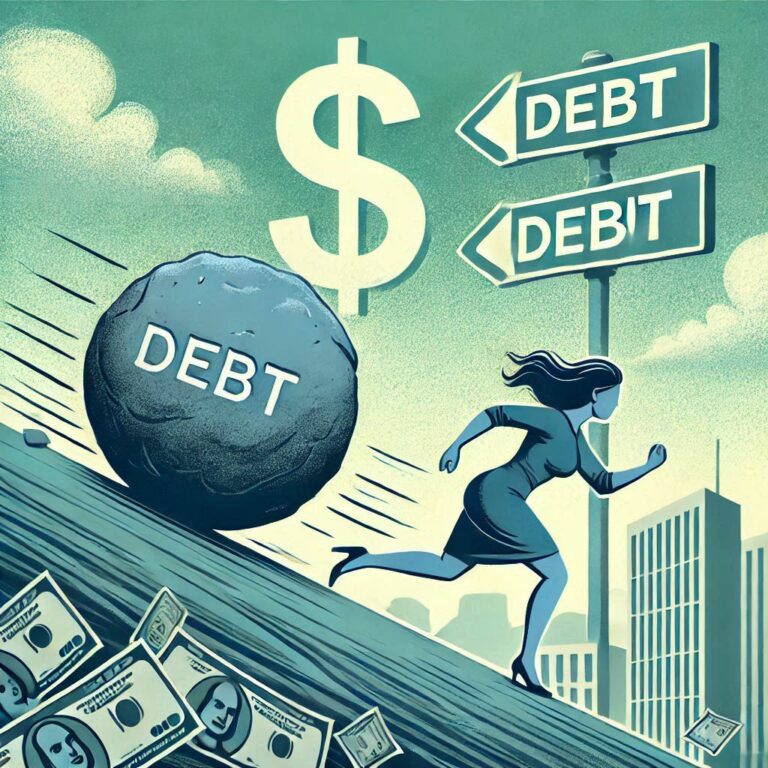
Medical Debt And How It Affects You And Your Credit
If you’ve ever received a medical bill that made your stomach drop, you’re definitely not alone. Medical debt can show up for all kinds of reasons, like a sudden emergency, an insurance dispute, or even a small copay you’d forgotten about. For a lot of us, these bills feel overwhelming. The ripple effects can stretch beyond our bank accounts, weighing on our families, our health, and even our sense of purpose. Here’s what I think everyone should know about how medical debt can affect your credit, your peace of mind, and the foundation you’re working to build financially and spiritually.
What Is Medical Debt?
Medical debt basically means any amount you owe to a doctor, hospital, pharmacy, specialist, or any other type of healthcare provider. It usually shows up because of out of pocket expenses like deductibles, procedures insurance didn’t cover, or bills you couldn’t afford to pay at the time. It doesn’t matter how carefully we plan; sometimes things happen that we just can’t predict.
According to the Consumer Financial Protection Bureau (CFPB), medical debt affects millions of American households, including people who otherwise feel responsible with money. For many Christian professionals, taking care of family and honoring financial commitments is a big part of how we live out our faith. Medical expenses can shake our confidence, but understanding how medical debt works can help us regain control.
Medical Debt and Your Credit: How They’re Connected
Up until recently, even a small unpaid medical bill could end up on your credit report and ding your credit score. That’s changing, thanks in part to new rules and some pressure from consumer advocates and lawmakers.
- Grace Periods Are Getting Longer: Medical providers and debt collectors now have to wait 12 months (instead of the old 6 months) before placing unpaid medical debt on your credit report. This gives you more time to dispute errors or negotiate bills before it hits your score.
- Limits on Reporting Small Balances: As of 2023, credit bureaus like Equifax, Experian, and TransUnion have stopped reporting paid medical debt, and they don’t include unpaid medical debts under $500. That’s pretty handy for families juggling multiple expenses.
- Past Due Medical Debt Drops Off Faster: Medical collection accounts (once resolved) now fall off your credit faster than other types of debt, taking some pressure off when you’ve finally gotten things settled.
That said, large unpaid medical bills that go into collections and stay unpaid can still impact your credit. A lower credit score can make it tougher to qualify for affordable loans, mortgages, or even some apartment rentals. This can have a big impact on your ability to take care of those you love or pursue the callings God has placed on your heart.
If you need more information about navigating your credit and disputing errors click these links!

How Medical Debt Happens
Medical debt usually creeps up for a few common reasons:
- High Deductible or High Out of Pocket Plans: Even if you’re insured, the costs of seeing a specialist, getting surgery, or filling prescriptions can add up fast.
- Billing Errors: Medical billing is complicated. Insurance companies and providers sometimes make mistakes with billing codes or coverage, which can leave you with a bigger bill than you expected.
- Unexpected Emergencies: Life happens; accidents, sudden illness, or family crises don’t wait until it’s a good time financially.
For many of us, the hardest part isn’t just the numbers; it’s the feeling that we’ve failed at stewardship or let our families down. I’m here to remind you: being surprised by medical bills isn’t a sign you’ve done anything wrong. Honest mistakes and unpredictable moments are just part of being human, and faith calls us to respond with wisdom, not shame.
Action Steps to Protect Your Credit (and Your Peace)
Medical debt doesn’t have to take over your life or undermine your future. Here are a few practical steps we can take to address medical bills, limit stress, and keep our credit strong:
- Check Every Bill for Errors
Review bills carefully when they arrive. Medical coding errors, insurance miscommunications, or duplicate charges are shockingly common. Don’t be afraid to ask for an itemized bill. It’s really important to compare what your provider billed, what your insurance paid, and what your statements say you owe. - Negotiate with Your Provider
If you can’t pay the bill in full right away, most providers are open to setting up a payment plan or even reducing your balance if you explain your situation. Hospital billing departments sometimes have programs for people facing hardship, especially if you ask right away instead of ignoring the bill. Staying proactive increases your options. - Dispute Inaccuracies Quickly
If you spot a mistake, contact both your provider and your insurance company. Keep notes, copies of letters, and a record of who you talked with. Put disputes in writing to make sure you have a paper trail. Also Keep receipts for proof of payment. People make mistakes and if you paid a debt make sure you have proof of payment. - Act Before Bills Go to Collections
Even with new rules, unpaid bills can end up in collections, which is when they might impact your credit. Most providers send at least one or two bills and a warning letter before taking that step. The sooner you reach out, the better. - Explore Financial Assistance
If your income has dropped or you’re facing big medical expenses, ask about financial assistance or charity care. Nonprofit hospitals are required by law to have these programs, and many others offer something similar.
Verifying Billing Codes and Insurance Payments
Medical bills run on a complicated maze of codes (like CPT and ICD10) that determine what gets paid and how much you owe. Sometimes, a simple coding error can result in a huge out of pocket charge. Here’s how to keep these details from turning into a lasting headache:
- Ask for an Explanation of Benefits (EOB): This is a statement from your insurer showing what they paid and why. Compare this to your actual bill for any mismatches.
- Call a Billing Advocate: Some organizations and churches offer volunteers or services to help review bills. An advocate can spot errors or negotiate on your behalf, especially when you’re feeling overwhelmed.
- Check the Codes: Google the billing codes listed on your bill. Look for common errors, like upcoding (charging for more expensive services) or double billing.
If something looks off or you feel pushed to pay more than you think you should, it’s totally okay to ask questions and request a corrected bill.

The Emotional and Spiritual Weight of Medical Debt
No one talks enough about the emotional and psychological mess that comes with medical debt. When illness or injury already has your family worried, adding a stack of bills to the mix can make you feel powerless and alone. For us as believers, carrying a heavy debt load can trigger guilt, anxiety, and doubts about our ability to provide or walk in faith.
I’ve watched friends and families sit at the kitchen table, stressing over whether to pay a doctor or buy groceries. It’s hard not to feel overwhelmed, and shame can creep in. This is where faith communities really shine, we’re meant to carry each other’s burdens, offer prayer and practical help, and remind each other that God’s provision sometimes shows up through neighbors, friends, or new solutions we hadn’t thought of yet.
Hebrews 13:5 reminds us, “God has said, ‘Never will I leave you; never will I forsake you.’” Even in tough seasons, this promise stands true. We can face these challenges with open hands, knowing God is with us and that wisdom and community support can make a real difference.
While financial challenges are never easy, remembering that we aren’t alone on this adventure can provide comfort. Within faith communities, sharing burdens and resources can help alleviate worry and provide much needed support. Leaning into the practical steps above, and the assurance of God’s presence, makes walking through medical debt less isolating and more manageable.
Why Your Credit Matters for Your Bigger Financial Picture
All of us are trying to do the same things provide for a family, pursue new opportunities, or give generously, credit helps us move forward with confidence. Protecting your credit score keeps more financial doors open and allows us to respond when God calls us to step out in faith, whether it’s buying a home, starting a ministry, or supporting someone in need.
Keeping medical debt out of collections, setting up payment plans, and communicating with providers helps keep your credit strong. It’s not about perfection; it’s about wise stewardship and doing the best we can with what we have at the moment.

Common Questions About Medical Debt and Credit
Does medical debt hurt my credit the same way as credit card debt?
Unpaid medical debt in collections can drop your credit score, but as of 2023, most paid and smaller balances don’t get reported. Medical debt usually has a longer grace period before it’s added to your report, but it’s still wise to act quickly.
Can I get medical bills removed from my credit report?
Yes. If the debt is paid or resolved, the major credit bureaus will remove it. You can check your credit report for free each year at annualcreditreport.com and dispute any errors you find.
Will medical debt keep me from buying a home or car?
If medical debt has already gone to collections and is unpaid, it can lower your score and make borrowing more expensive. Taking quick action to dispute or negotiate bills helps you avoid this issue.
Should I use a credit card to pay medical bills?
Only as a last resort. Medical debt usually has lower interest and more flexible options than a credit card. Charging it might just swap one kind of stress for another.
Wise Stewardship and Building Habits for Peace
Managing medical debt isn’t only about keeping bills off your credit report. It’s about building habits that help us honor God, support our families, and steward resources well:
- Open every bill right away. Ignoring medical mail just makes things harder down the road.
- Don’t be afraid to ask for help from financial counselors, a faith community, or resources at your local church. God didn’t create us to walk alone.
- Look for ways to stay organized and plan for the unexpected. Try keeping an emergency fund, tracking expenses, or having regular family money conversations that are grounded in prayer.
- Take breaks when you need them. Stress and worry are normal when dealing with money and illness, but they don’t have to get the last word.
Every step toward clarity and peace even a small one makes a difference, both for your finances and your sense of purpose. God’s faithfulness shows up in unexpected ways when we stay open and take wise, practical steps together.
Disclaimer: This blog post is for informational and educational purposes only and does not constitute financial, legal, or medical advice. Please consult a qualified professional regarding your specific situation before making any financial decisions.