
The Ultimate Guide to Beating Inflation in 2025

Inflation isn’t just a headline anymore. In 2025 it’s showing up in real life for families, professionals, and business owners in a way you can actually feel. Prices keep creeping up on the things we touch every single week. Groceries. Gas. Housing. The essentials that already took a big part of the budget now ask for even more. And honestly, it’s wearing people down.
I hear it in conversations all the time. Folks are stretching paychecks, rearranging bills, and trying to make decisions that don’t leave them anxious at the end of the month. Many are cutting back on the small comforts they used to enjoy because everything feels heavier on the wallet. Financial stress has become one of those topics people mention with a tired sigh, because they’re doing their best and still feeling the pressure.
Understanding Inflation in 2025
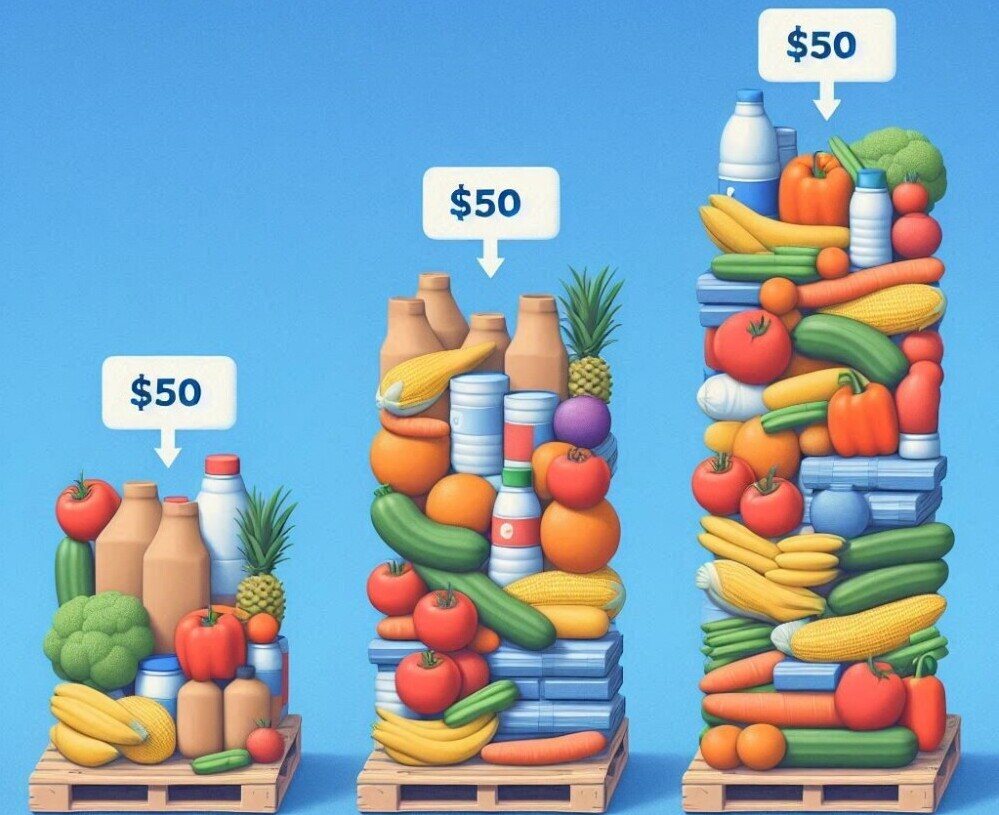
Inflation sounds like a complicated economic term, but at its simplest, it’s the rise in prices over time. When prices rise, your money doesn’t stretch the way it used to. If your grocery bill keeps surprising you or you find yourself asking why the same items cost a few dollars more than last year, you’re already living through it. That’s inflation showing up right in your cart.
In 2025 the increases feel stronger than what many of us remember from a few years back. Think about it this way a loaf of bread that was two dollars in 2019 can easily be closer to three dollars today. Rent has climbed even faster in several cities, especially in areas where demand stayed high and supply never really caught up.
A lot of factors are pushing prices upward at the same time. Supply chains are still recovering. Demand for everyday goods is steady. Global shifts continue to affect how quickly things move and how much everything costs. Central banks are working to slow things down, but those changes take time. Most people don’t feel immediate relief. It usually shows up gradually, months after policies are put in place.
Because the shift is slow, this season calls for awareness and steady adjustments. Maybe that looks like changing up your grocery habits, choosing more affordable brands, planning meals differently, or cutting back on purchases that used to be automatic. Small, intentional moves help keep your budget steady while everything around you feels unpredictable.

How Inflation Hits Your Everyday Spending
Inflation shows up in the places we feel the most. Food. Gas. Housing. The regular expenses we can’t avoid. When those costs rise, the paycheck feels tighter long before anything else does. Even small routines, like grabbing a coffee before work, start to feel different. That five dollar swipe carries a little more weight now. Filling up the tank can take a bigger chunk out of your budget than it did back in 2022. And in many cities, rent increases have pushed household budgets to their limit.
Housing has been one of the most challenging areas in 2025. Mortgage rates are still higher than they were a few years ago, so new homeowners are stretching to keep payments manageable. Renters are feeling the pressure too. Renewal notices come with jumps that make people reconsider their entire living situation. Some are moving in with family to catch their breath. Others are downsizing or finding roommates just to stay steady. And for anyone already balancing a tight budget especially those raising kids or supporting family a small increase in groceries or the light bill can shift everything.
Community resources and affordable housing programs have helped a lot of people stay afloat, but even those systems are crowded. Many families are looking for the same support at the same time, which makes the search for relief feel even more stressful.
Outside the basics, the ripple effect is real. Not having McDonalds money is starting to feel familiar all over again. Streaming subscriptions, family outings, and travel plans all those little extras we used to enjoy are usually the first to get cut when budgets tighten. Even small splurges are harder to justify right now.
Comparing 2025 to Recent Years
Back in 2021 and 2022, inflation felt like a sudden storm after the pandemic. Prices jumped fast and people kept waiting for things to “go back down.” But here in 2025, many families and professionals are realizing the drop they hoped for never really showed up. The numbers may not be climbing as sharply as they were then, but the day to day pressure hasn’t eased the way everyone expected.
What’s different now is the exhaustion. People aren’t just adjusting their budgets — they’re adjusting their expectations. The idea that rising prices were temporary has slowly shifted into a new mindset: learning how to live in a world where the cost of everything sits a little higher than before.
Here are a few 2025 trends that stand out:
Groceries:
Staples like chicken, cereal, and snacks still cost more than they did a few years ago. Even items people hardly paid attention to before — things like spaghetti noodles, salad dressing, canned vegetables, or peanut butter — now take a bigger piece of the grocery budget. For families with kids or anyone who meal preps, the difference adds up fast.
Gas:
The cost at the pump continues to rise and fall with global events, but it rarely dips low enough to feel like relief. Even short trips around town or a weekly commute feel heavier on the wallet. Road trips that used to be a budget friendly option now require more planning than they did back in the late 2010s.
Housing:
Rent and mortgage payments are taking up more space in the budget than ever before. Even people with steady, well paying jobs find themselves pausing before signing a new lease or considering a move. In some cities, even modest apartments feel like they belong in luxury price ranges.
Other areas are changing too.
The cost of childcare continues to rise. Eating out at places that used to be inexpensive now feels like a splurge. Utility bills, streaming services, cell phone plans, everything carries a slightly heavier price tag.
And while wages have increased in certain fields, the rise hasn’t kept up with the cost of living. That gap shows up everywhere. People are juggling bills, sticking to essentials, and putting bigger dreams on pause. For young adults entering the workforce, milestones like moving out on their own, buying a home, or switching careers feel farther away. Not impossible, but not as straightforward as they once seemed.
Paycheck to Paycheck: Real Experiences in 2025
Living paycheck to paycheck is a reality that many of us face today. Paychecks come in, and before you know it, most of the money is already spoken for rent or mortgage, utilities, groceries, transportation. Sometimes it feels like there is nothing left over, even for the things we used to enjoy or plan for.
It isn’t about being careless with money. It’s about expenses steadily rising while wages don’t always keep up. People are finding themselves adjusting in ways they never expected. Some are picking up side gigs, others are cutting out nonessentials, and many are finding creative ways to cover unexpected costs like car repairs or medical bills.
Living like this can be exhausting and stressful, and it can weigh heavily on your peace of mind. At the same time, it has shown the resourcefulness in people. Friends and neighbors are sharing tips, helping each other save, and coming up with practical solutions to make every dollar stretch further. Even in the middle of the struggle, there is a quiet strength and determination to navigate life responsibly while making the most of what we have.
Inflation’s Ripple Effect Across Different Sectors
Inflation doesn’t only show up in the total at checkout. It reaches into the way businesses operate, which affects job stability, household income, and the health of local communities. Retailers, restaurants, travel companies, and service providers are navigating higher costs of their own and many have had to adjust their pricing just to stay afloat. Smaller businesses feel this the most. Local restaurants, corner stores, and independent grocery shops have trimmed staff hours, scaled back menus, or paused plans to grow because the margin for error has tightened.
Larger companies have made shifts too. Some have restructured teams, reduced benefits, or paused raises. Even workers with stable roles feel the tension of doing more with the same pay while everything around them becomes more expensive. That steady pressure shapes how people plan, spend, and make decisions about their future.
There are areas of growth appearing in this season. Industries tied to energy, technology, and innovation continue expanding. Renewable energy, cybersecurity, and automation services are creating jobs and welcoming people who are willing to build new skills or pivot into another field. These openings offer pathways for those ready to transition into something more stable or forward-moving.
Communities are also finding resilience in meaningful ways. Local farmers and small markets have gained support from people choosing to shop closer to home. Entrepreneurship has found fresh momentum too. More people are starting side businesses, selling services online, or launching projects they can manage from home. Remote work has opened doors that once required long commutes or major expenses, giving families more flexibility as they navigate rising costs.
Solid Steps to Manage Inflation
They say what goes up must come down, but inflation is making its own rules these days. There isn’t a quick switch that makes these rising costs disappear, but there are steady moves that help soften the impact. The goal in this season is control, awareness, and intentional choices. Even when prices rise, small habits create real relief over time. Here’s a practical guide for navigating 2025 with more confidence and less financial strain.
Track Every Dollar
A clear picture always brings calm. Budgeting apps and bank tools help you see exactly where your money goes. Patterns start showing up quickly, and that clarity makes decisions easier.
Buy in Bulk When It Makes Sense
Household staples, cleaning supplies, and nonperishable foods often stretch further when bought in larger quantities. It reduces repeated trips to the store and keeps essentials stocked for longer.
Plan Your Meals With Purpose
Writing out weekly meals and building your grocery list around them helps avoid impulse buys and food waste. It creates structure and protects your budget from those unplanned extras that add up fast.
Use Sales and Digital Coupons
Store apps, reward programs, and brand websites offer savings that feel small in the moment but make a difference across the month. A few dollars here and there build into meaningful breathing room.
Negotiate Recurring Bills
Bills like internet, phone, and insurance can often be lowered with a conversation. Many companies offer promotions or basic plans that still meet your needs without the extra cost.
Reassess Your Transportation Habits
Carpooling, ridesharing, public transit, or even combining errands into fewer trips help lower gas and maintenance expenses. A little planning goes a long way.
Explore Ways to Increase Income
Small streams of income add stability. Things like renting your car on Turo, selling digital resources, tutoring, or offering simple services online create extra space in your budget without requiring a full career change.
Staying steady with these habits matters. Inflation moves slowly, and the adjustments we make today keep us grounded later. Setting a weekly or twice-monthly check-in helps you catch shifts early, avoid surprises, and stay in control of your financial story. Teaching children these habits now plants seeds of discipline and wisdom that benefit them for years to come.

Christ-Centered Perspective on Navigating Inflation
In seasons when money feels tight, I lean into my faith for perspective and reassurance. Many people find comfort by focusing on what really matters community, giving, and trusting that needs will be met even when things look uncertain. Scriptures encourage not to worry excessively about tomorrow (Matthew 6:34), and this reminder helps switch my focus from anxiety over the future to action in the present.
Finding support through faith communities, practicing gratitude, and making a habit of helping others in need brings hope in the middle of hard financial times. Sometimes, those small acts of kindness, like sharing a meal or offering a ride, make a bigger difference than we realize, both for ourselves and those around us. Encouragement from church groups, prayer or meditation, and volunteering help keep worries in check and highlight positive aspects even in lean times.
Practical Tools and Resources for 2025
Several tools can help you manage your money and keep inflation from taking too much control over your life. Here are resources I find pretty handy:
- Budgeting Apps: Apps like Mint, YNAB (You Need a Budget), and EveryDollar let you track spending easily and spot where you can save.
- Online Grocery Services: Comparing prices across multiple stores using apps like Instacart or Walmart Grocery can help you score better deals.
- Financial Education Sites: Pages like Consumer Financial Protection Bureau and Transforming Finances offer budgeting tips, savings calculators, and debt management advice.Take a moment to also check out an additional blog post that also focuses on Inflation
- Community Resources: Local churches, food banks, and social service agencies may have programs that support those hit hardest by rising prices. Community-based financial workshops and free tax help are valuable for those learning how to make the most of limited funds.
If you have children or teens in your household, consider using age-appropriate tools and educational games that teach financial literacy. These help the whole family build the confidence and skills to handle financial bumps in the road.
Looking Ahead: What Could Help Ease Inflation?
Economists and policymakers are keeping a close eye on several things that could slow down price increases. Interest rate adjustments, government spending policies, and rebalancing supply chains all play a part. While big changes don’t happen overnight, staying informed can help you make smarter decisions for your situation.
Some positive signs to watch for:
- Stabilizing Energy Prices: If energy costs level out, that often brings down transportation and production costs across the board.
- Improvements in Supply Chains: Fewer shipping delays and larger inventories could help lower the cost of goods.
- Steady Wage Growth: When average wages catch up (even slowly) to price increases, everyday life becomes a bit easier.
It’s also wise to be ready for continued twists and turns in global events, as these can affect inflation trends unexpectedly. By keeping yourself educated on changing policies and new opportunities, you can better handle whatever comes. Looking out for community support services and local news can also make a positive difference.
Staying aware of these trends, managing your budget carefully, and supporting one another can really help as we keep finding our way through whatever inflation brings in the rest of 2025 and beyond.
Looking for extra tools to manage your finances? Visit Transforming Finances Digital Products and Services to check out new resources, guides, and support for handling money challenges in 2025.
Disclaimer:
The information in this article reflects my experience and understanding of personal finance in 2025. While I aim to offer clear and helpful guidance, this content is for informational purposes only and isn’t professional financial advice. For personal situations, talking with a qualified financial advisor is a wise move.