
Proven Ways Student Loans Shape Your Credit Score

If you’re walking out your faith in everyday decisions when it comes to your credit, student loans can play a significant role, whether you realize it or not. If you’ve ever reviewed your credit report and spotted your student loans, you’re in good company. For many, these loans represent their initial encounter with debt and the credit system.
Now, there’s more to it than simply making timely payments. Student debt can impact your credit score in both positive and negative ways. However, with a clear understanding of how it all works, you can transform your student loans into a stepping stone toward improved financial well being and open doors to future opportunities. Let’s explore how.
Understanding How Student Loans Influence Your Credit Score
Student loans show up on your credit report just like any other installment loan (think auto loans or mortgages). Payment history, balances, account age, and even just having a loan open affect your score in various ways. Not all student loans play by the same rules, especially once you start comparing federal and private loans.
Your credit score is a three digit number (usually ranging from 300 to 850) that lenders use to measure your reliability as a borrower. Here’s how your student loans fit into the mix:
- On-time payments: The single biggest factor in your score. Consistent payments help you build solid credit.
- Account age: Student loans can help extend your credit history, especially if you started borrowing when you first began college.
- Loan amounts owed: High balances can be a small drag on your score, but because student loans are installment debt, they don’t weigh as heavily as high credit card debt.
- Diverse credit mix: Having student loans along with revolving credit (like credit cards) shows you can handle multiple kinds of debt.
As a Christian, stewardship is about handling resources wisely, including your credit. Treating debt management as a responsibility fits right alongside biblical values like honesty, discipline, and planning ahead.
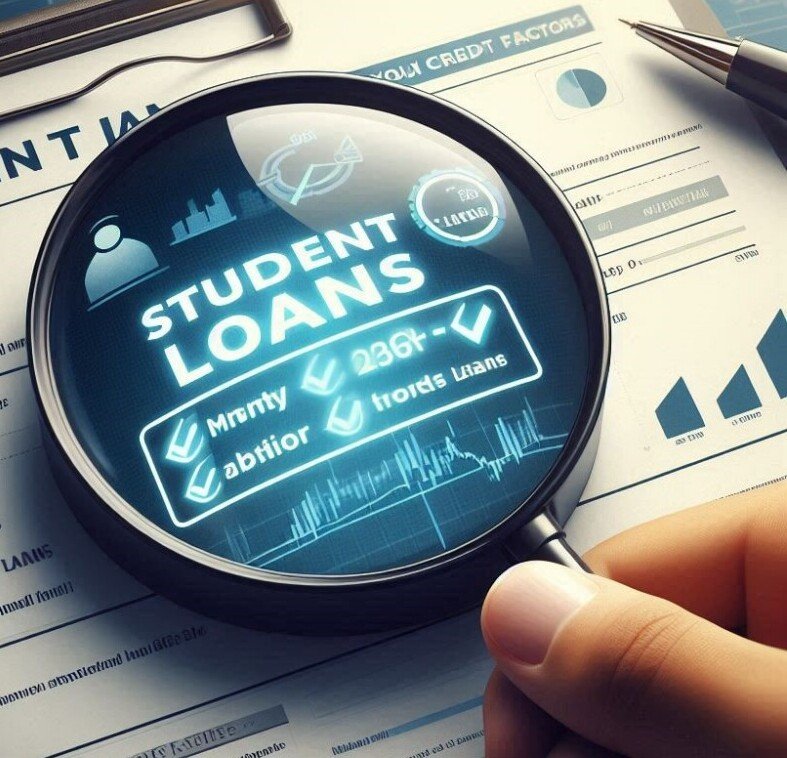
Federal vs. Private Student Loans: What’s the Difference on Your Credit?
Federal student loans are provided by the government and usually come with borrower protections, such as income driven repayment plans and options for deferment or forbearance. Private student loans are issued by banks, credit unions, or online lenders, and act much more like typical consumer loans.
- Federal loans: More flexible. Most don’t check your credit score for approval, and you get access to forgiveness and adjustment possibilities.
- Private loans: Heavily credit based. Your rate, terms, and even if you qualify are based on your score and credit history at application time. These loans might not offer as much wiggle room if you hit a rough patch.
Both types report to credit bureaus, but private loans can be a little less forgiving if you miss payments. If you’re applying for new credit, lenders may see private loans as more “serious” debt because of higher monthly payments and stricter terms.
Managing Repayment, Deferment, and Forbearance with Your Credit in Mind
Getting on a manageable repayment plan early is really important. Missing a student loan payment, even by a few days, can trigger late fees. If you miss by more than 30 days, it often gets reported to the credit bureaus, which can hurt your score quite a bit.
Here’s how some common scenarios affect your credit score:
- Standard repayment: Making regular, on-time payments helps your credit score grow steadily.
- Income-driven plans: These plans lower your required payments based on your income, which helps prevent late or missed payments.
- Deferment: Temporarily pausing payments (for example, if you go back to school) usually doesn’t impact your score, provided you’re officially approved.
- Forbearance: Another way to pause payments. As with deferment, if you have official approval, your credit report shows your loan as current, not delinquent. Paying without approval, though, brings trouble.
And one more detail to keep in mind: if you’ve got several loans, each one can show up as a separate account on your credit report. Five loans, five tradelines. This can influence your credit mix and overall history.
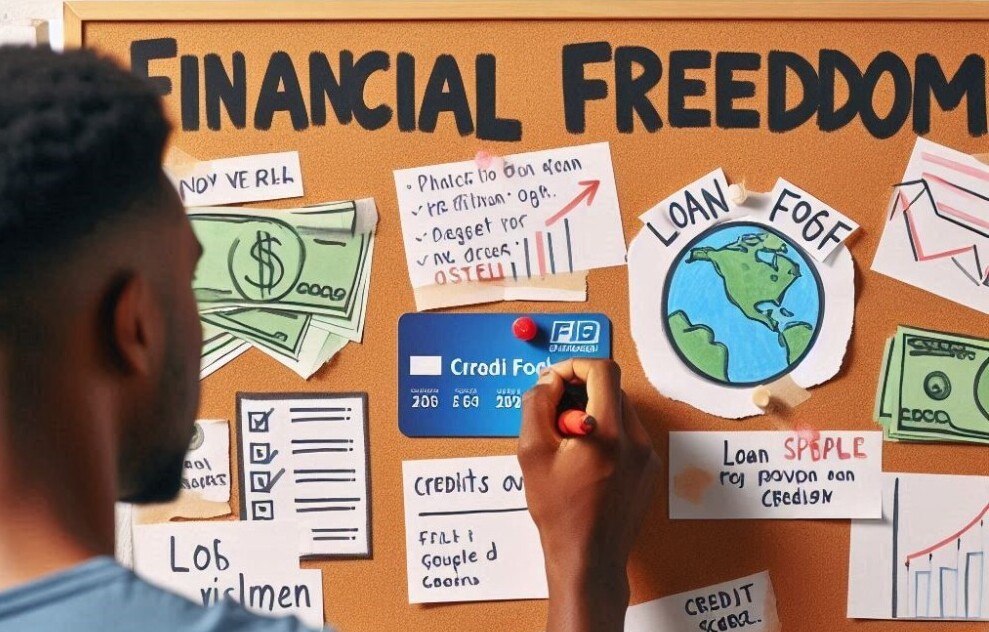
Quick Action Steps for Managing Student Loans and Your Credit
Staying on top of your student loans takes a bit of planning, but it’s easier than it may seem. Building good payment habits now pays off for years not just while you’re in school or shortly after graduation.
- Pay on time, every time: Set up automatic payments or reminders to avoid missing even a single bill.
- Keep track of all your loans: Use a spreadsheet or your loan servicer’s website. Know your payment due dates, especially if you have multiple servicers.
- Check your credit regularly: Get free copies from AnnualCreditReport.com and watch for errors or payments listed incorrectly.
- Track down forgiveness programs: If you’re working in public service, teaching, or nonprofits, see if you qualify for loan forgiveness over time.
- Ask your servicer for help: If you’re struggling, reach out. Servicers can help you mix up repayment plans, apply for deferment, or avoid default.
If you’re grounded in a Christ centered approach, remember that honesty, diligence, and a willingness to seek help or wise counsel are all behaviors that honor God’s direction for stewardship.
Bumps in the Road: What Happens If You Miss Student Loan Payments?
Life happens, and sometimes you let a payment slip by. Here’s what you can count on if that occurs:
- After 30 days past due, the servicer can report the missed payment to the credit bureaus. Even one late payment may drop your score by 50 to 100 points, depending on your overall history.
- If you go 270 days (about nine months) without making a federal student loan payment, the loan goes into default. Private loans usually default much faster and often with fewer warnings.
- Defaulting can seriously impact your credit score. It may also lead to wage garnishment or loss of certain federal benefits until the debt is brought current.
If you find yourself slipping, ask your servicer for help as soon as you notice. Most servicers have options to help before things get too rough. When you face challenges, asking for help is not a weakness, but a wise move.
Proverbs 15:22 says: “Plans fail for lack of counsel, but with many advisers they succeed.”
Student Loan Refinancing and Its Impact on Your Credit
Some borrowers refinance their student loans to get a better interest rate or to combine multiple payments into one. This is how refinancing may change your credit:
- Hard inquiry: Applying for refinancing usually shows up as a hard inquiry, leading to a small, temporary dip in your score.
- New account opens: Your old loans are closed, and a new one opens. This could shorten your average account age a bit, but making timely payments on the new loan can help in the long run.
- Simplified payments: Having one bill instead of several makes it easier to pay on time and keep things on track.
Refinancing isn’t for everyone, especially if it means giving up valuable federal protections. Think about your reason for refinancing and talk with a financial professional if you’re not sure.
What Lenders See: Student Loans and Borrowing for Other Big Purchases
When you apply for a mortgage, car loan, or new credit, lenders always check your credit report, which includes your student loans. Good management can work in your favor:
- Lenders consider your debt to income (DTI) ratio, which compares your monthly payments to your income. Lower DTI usually means better offers.
- A history of on-time student loan payments signals responsibility, often helping to neutralize concerns about student debt totals.
- If you’ve missed payments or ended up in default, it may become harder to get approved for other loans or result in higher costs.
Managing debt isn’t about never borrowing. It’s about showing lenders (and yourself) that you handle your commitments reliably and honestly. With a stewardship mindset, it’s about acting with integrity and keeping an eye on the long-term picture.
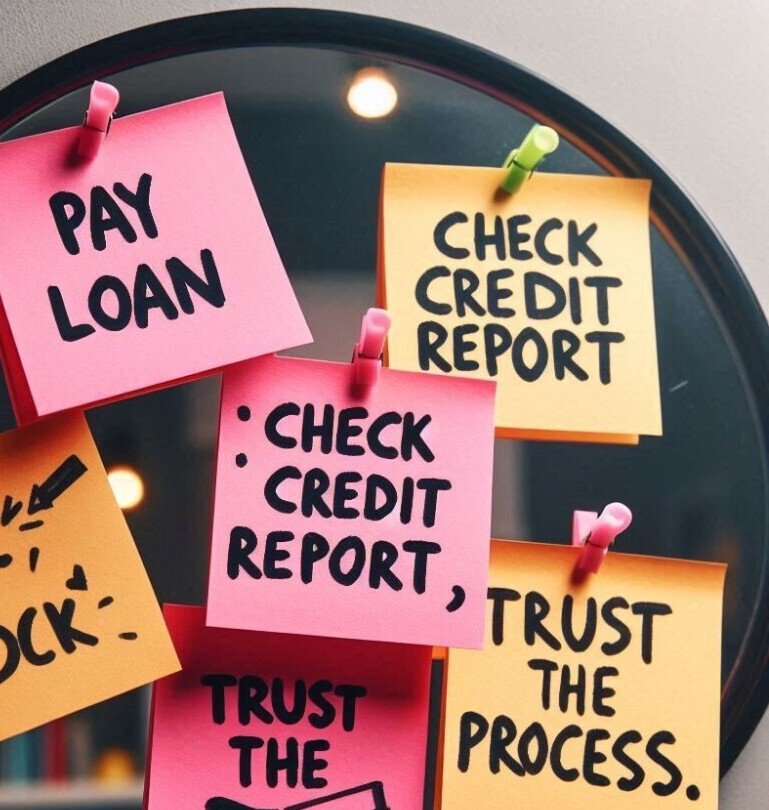
Extra Tips for Turning Student Loan Management into a Credit Boost
Through a bit of intentionality, your student loans can boost your credit when handled well. Try these tips to get the most out of them:
- Make early payments: If you’ve got extra cash, a payment before the due date or more than the minimum can count as positive activity.
- Keep paid-off loans on your report: Old paid off loans (with a perfect payment record) stick around for up to 10 years and help your score the whole time they’re there.
- Use student loan tracking tools or set reminders so you don’t miss a due date by accident.
- If you qualify for forgiveness or cancellation, save your proof and check your credit report. Make sure those loans show as paid in full or forgiven, not defaulted.
Good stewardship means regularly checking in on your financial standing, just like you would with anything else important in your life. Take initiative to understand your loans and open yourself up to financial health and freedom as you follow your calling and life goals.
Making the Most of Your Student Loans and Credit for the Future
The connection between student loans and your credit score is a bit complex. But with a little knowledge, you can turn your student loans into a way to build up your credit, get a higher score, and gain access to more affordable borrowing options down the road. This is about more than just numbers. It’s about being faithful to manage what you’ve been given and making choices that support both your financial adventure and your broader life goals.
If you’d like more financial tips or are looking to track down new ways to make your money stretch further, check out Transforming Finances Digital Products and Services. There are resources tailor made to guide you through student loans, credit management, and more all from a faith-forward perspective.
Disclaimer:
This post is based on my personal experience and research in personal finance. It isn’t professional financial advice; please speak to a qualified financial advisor for guidance that fits your unique situation.